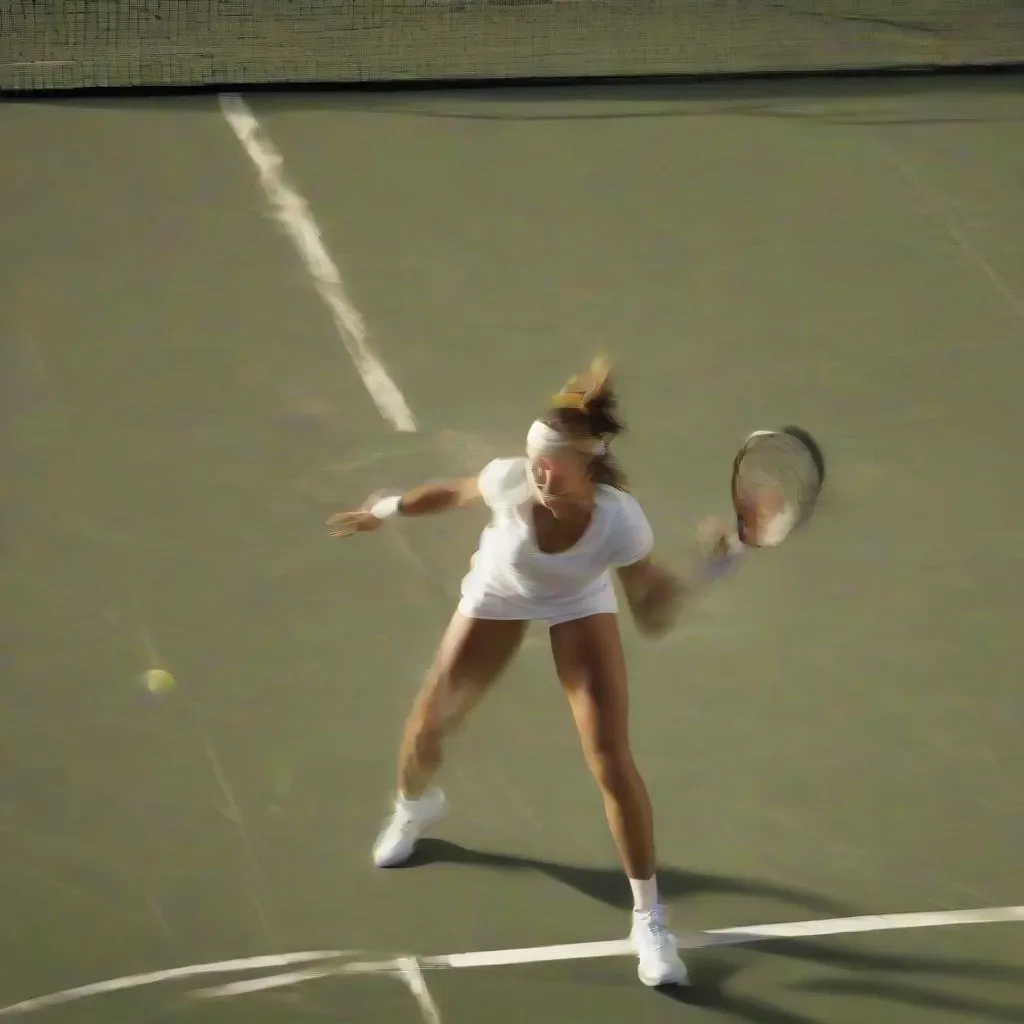
Ever been stunned by a serve that seemed to explode off the court, unreturnable and leaving you flat-footed? That’s the magic of aces on fast hard courts. These courts, known for their quick ball speeds and minimal bounce, provide a unique playground for players who have mastered the art of the serve. The impact of a well-placed, powerful serve on this surface can be game-changing, turning defense into immediate offense.
This article looks into why certain players thrive on these courts, dissecting the elements of serve strategy that lead to ace domination. From understanding court dynamics to refining technique and mastering mental fortitude, we’ll explore the key ingredients for unlocking your ace potential. Whether you’re aiming to add a few extra points to your game or simply want to understand the nuances of professional play, get ready to discover how to serve your way to success on the electrifying stage of fast hard courts.
Understanding Fast Hard Courts
Fast hard courts represent one of the primary surfaces in professional tennis, characterized by traits that significantly influence gameplay. The court’s speed, dictated by its surface characteristics, refers to how quickly the ball travels and how low it bounces after impact. These dynamics are largely determined by the court’s composition, typically layers of acrylic over a base of asphalt or concrete. The less texture on the surface, the faster the court plays, allowing for minimal friction and rapid ball acceleration.
Environmental factors also play a crucial role in dictating court speed. High humidity can cause the ball to fluff up and slow down, while higher temperatures can lead to a livelier bounce and increased pace. These conditions subtly change the dynamics of the game, altering the advantage for different playing styles.
Compared to clay courts, where the ball slows dramatically and bounces high, or grass courts, known for their low and unpredictable bounces, fast hard courts offer a middle ground but with a distinct emphasis on speed. Players find that movement on hard courts requires precise footwork and the ability to quickly react to the ball. The speed of the court directly correlates with the effectiveness of a player’s serve. A powerful, well-placed first serve can become a significant weapon, often leading to immediate point advantages due to the difficulty in returning the ball effectively.
The Ace King Profile: Attributes of Successful Servers
The quest for the perfect serve, the kind that explodes off the court and leaves opponents flailing, is a constant pursuit in tennis. But what truly separates the occasional ace from the player who consistently dominates with their serve on fast, unforgiving hard courts? It’s more than just brute strength; it’s a potent cocktail of physical prowess, refined technique, and unwavering mental fortitude. Ace servers possess a finely tuned serve motion, optimizing every element from grip to toss for maximum power and spin. While body types vary, successful servers understand how to leverage their individual build, maximizing strengths and minimizing weaknesses.
The mental aspect is equally critical. The best servers cultivate an unshakable belief in their serve, a pre-serve routine that breeds consistency, and the ability to shrug off errors and focus on the next point. This combination of mental and physical attributes transforms a simple serve into a formidable weapon, capable of dictating points and demoralizing opponents.
Technical Proficiency
A technically sound serve is the bedrock of any ace server’s game. It’s about harnessing the kinetic chain, a sequence of movements that efficiently transfers energy from the ground, through the legs, core, and ultimately to the hitting arm. The process begins with a powerful leg drive, generating upward momentum that fuels the entire motion. Core rotation adds another layer of power, allowing the server to uncoil and unleash their swing. But the true secret lies in shoulder speed and the often-misunderstood element of pronation. Pronation, the inward rotation of the forearm just before impact, adds crucial spin and slice, making the ball dip sharply and bounce unpredictably. Mastering this intricate sequence is key to unlocking serving potential.
Mental Fortitude
Beyond the physical mechanics, the mental game is what elevates a good server to an exceptional one. Consistency is key: a server who can reliably land first serves puts immense pressure on their opponent, forcing them into defensive positions and creating opportunities for easy follow-up shots. Staying focused under pressure is paramount. Ace servers develop strategies for managing the inevitable nerves and distractions, employing techniques such as visualization, controlled breathing, and positive self-talk. Maintaining a positive mindset, even after a missed serve, is crucial for preventing a downward spiral and maintaining confidence. Mental fortitude transforms a powerful serve into a psychological weapon, capable of both winning points and intimidating rivals.

Serve Strategy and Placement on Fast Hard Courts
On fast hard courts, a well-placed serve is a game-changer. The surface rewards aggressive serving and quick points. It allows players to dictate play from the very first strike. A flat serve down the T can be a weapon, often resulting in an ace or a weak return if the server has pinpoint accuracy.
However, relying solely on power is a mistake. Mixing serve placement keeps the opponent guessing, and spin becomes a crucial element. A slice serve pulled wide to the backhand can jam up a returner, opening the court for the next shot. The kick serve, while bouncing lower on a hard court compared to clay, can still generate an awkward angle, disrupting the opponent’s rhythm and forcing errors.
Varying first and second serve strategies is vital. A player might opt for a high-percentage topspin serve on the second serve, ensuring it lands deep with enough action to minimize opportunities for aggressive returns. Effective court positioning is part of the picture. Subtle shifts in stance before the serve can influence the receiver’s expectations, making the actual serve direction even more deceptive.
Analyzing the opponent’s tendencies is key. Does the opponent struggle with high balls on the backhand? A well-placed kick serve could be the answer. Reading the returner’s position and adjusting serve placement accordingly is a hallmark of a strategic server. Ultimately, mastering serve placement, spin, and speed is about maximizing ace potential and gaining an edge in every point.
Analyzing Surface Speed: Data-Driven Insights
Surface speed profoundly impacts serve performance in tennis. Understanding and adapting to these subtle changes is crucial for optimizing strategy and maximizing effectiveness. Resources, like Tennis Abstract, offer surface speed ratings which provide a numerical representation of how quickly the ball travels on a given court. These ratings, typically calculated using historical match data, offer insights into how the court plays.
A higher surface speed rating generally correlates with a faster court, favoring big servers and potentially leading to a higher ace percentage. Conversely, slower courts tend to neutralize serve advantages, emphasizing baseline play and return of serve skills. Court conditions dramatically influence these ratings. Temperature and humidity impact ball speed and bounce, with hotter, drier conditions leading to increased speed. New balls also contribute to faster play initially, as they retain their bounce and responsiveness. By analyzing surface speed data and considering these factors, players and coaches and analysts can develop targeted serve strategies maximizing their competitive edge.
Training and Drills for Improving Your Ace Potential
Unlocking your ace potential on the tennis court requires a focused approach that combines targeted drills with smart training strategies. It’s about more than just blasting the ball; it’s about developing a well-rounded serve that blends power, accuracy, and spin. The following tennis drills can boost your serve game so you can dominate the court.
- Target Practice: Start by placing targets in different service box areas. Focus on hitting these targets consistently. Vary your stance and grip slightly to achieve different angles and spins. This enhances serve placement and accuracy.
- Power Development: Use a medicine ball to mimic the serving motion. This exercise builds core strength and shoulder stability, key components for generating serve power. Remember to prioritize proper form to avoid injury.
- Spin Generation: Practice hitting the ball with a brushing motion to create topspin or slice. Topspin serves jump high, kicking away from your opponent, while slice serves curve wide. Experiment with different grips and wrist movements to master these techniques.
- Consistency Drills: After warming up, aim to hit a specific number of serves in a row within the service box. This drill hones consistency under pressure, vital for competitive play.
Smart Training: When doing tennis practice do not overdo it from the start. Set realistic goals, track your progress to stay motivated, and prioritize rest and recovery to prevent injuries. Remember, consistent, focused practice is the key to unlocking your true ace potential.
Equipment Considerations for Maximizing Serve Speed
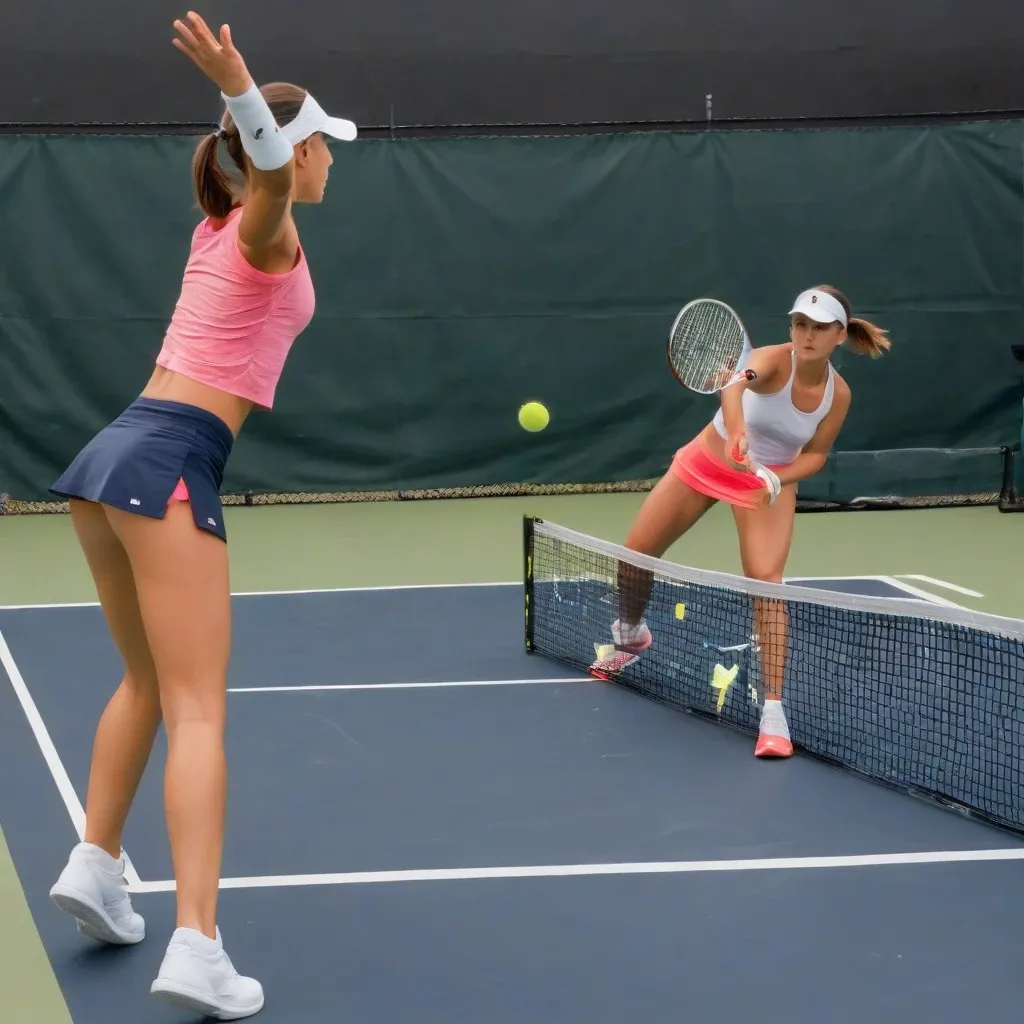
Selecting the right tennis equipment can significantly impact serve speed and overall performance. The tennis racket is a primary factor; its weight, head size, and balance point all play crucial roles. A heavier racket can generate more power, while a lighter racket offers greater maneuverability and faster swing speeds.
Head size influences the sweet spot and forgiveness. A larger head size provides a bigger sweet spot, making it easier to make clean contact, while a smaller head size offers more control. The balance point affects how the racket feels during the swing. Head-heavy rackets generate more power, while head-light rackets are easier to swing quickly.
String tension and string type are also essential. Lower string tension creates a livelier string bed, resulting in more ball speed and spin. Higher string tension offers more control and reduces string movement. Different string materials, such as polyester or multifilament, provide varying levels of power, control, and comfort. Consider individual playing styles and preferences when choosing equipment to optimize serve speed and consistency.
Case Studies
Taylor Fritz: Ace Machine
Taylor Fritz has become synonymous with dominant serving on the ATP tour. His success isn’t solely about brute force; it’s a calculated blend of power, placement, and unwavering consistency. Fritz understands that a well-placed serve disrupts his opponent’s rhythm from the outset. A wide serve to the ad court, followed by a body serve on the deuce side, keeps opponents guessing and off-balance. He is able to dictate the terms of engagement early in the rally, increasing his chances of winning the point outright or gaining an immediate advantage. Strategic placement is as important as power. By targeting the lines and consistently hitting his spots, he forces opponents into uncomfortable positions, making it difficult for them to generate pace and angles on their returns. Fritz pairs that with mental fortitude turning pressure points into opportunities to unleash even bigger serves. A composed mindset lets him rely on his technique, even when the stakes are high. He focuses on the process – his grip, toss, and swing path – rather than dwelling on the outcome.
Felix Auger-Aliassime: The Powerhouse
Felix Auger-Aliassime demonstrates that serving on hard courts is a strategic weapon. His ability to consistently deliver high-velocity serves, combined with sharp angles, gives him a formidable advantage, particularly indoors. His success stems from his biomechanics and mental toughness. Auger-Aliassime’s serve isn’t just about raw power; it’s about controlled aggression. By varying the spin and pace on his serves, he keeps opponents guessing and prevents them from settling into a comfortable return rhythm. He combines slice serves out wide with flatter, more aggressive serves down the T to keep returners on their toes. A key element of Auger-Aliassime’s game is how he plays the mental side of tennis. He understands the importance of staying calm and focused, even when facing break points or serving for the match. His mental fortitude contributes to serve consistency and precision, letting him to perform his best under pressure.
Conclusion
Mastering the serve on fast hard courts is a game-changer. It’s about more than just getting the ball in; it’s about seizing control. A dominant serve translates to free points, the ability to dictate rallies from the get-go, and relentless pressure that can crack even the toughest opponents. It sets the tone for the entire match.
The strategies and techniques discussed are not overnight fixes, but rather building blocks. Implement these insights into your training and watch your serve transform from a liability into a lethal weapon. Adjust your stance, refine your ball toss, and learn to explode through the ball with pinpoint accuracy. Understand how court speed impacts your serve and adjust accordingly. Success demands dedication, practice, and a willingness to adapt.
Now, it’s time to take this knowledge and hit the court. Experiment, refine, and trust the process. Every great tennis player started somewhere, and your journey to a better serve – and a better game overall – starts now. Embrace the challenge, stay focused on your tennis goals, and unlock your true potential. Winning starts with the serve!